






background

Honey Magic Rush - Quick Start

Enter Honey Rush trial mode, learn the features, and set time and budget limits before deciding to play.

Honey Rush
Honey Rush

What Big Time Rush Honey Offers at the Start

Imagine you have literally a few minutes and want to check if this production suits your style - without risk and without rush. Usually, players do one thing then: they click a few rounds, but without a plan, and then they don't know what they actually tested. It's better to approach the start like a short warm-up with a goal.

At the beginning, the interface map matters: where you change the stake, how you turn on faster pace, where the function description appears, and how winnings are displayed. In practice, this saves nerves, because later you won't be searching for buttons in emotion. In Honey Rush, it's worth checking the sound settings, animations, and fast rounds mode right away - comfort makes a difference, especially on the phone.

The second step is rhythm. It's not about "luck," but whether you like short series and frequent decisions, or prefer a calmer pace. It's good to do three mini-blocks: a few rounds slower, a few faster, and at the end a short test with a different stake. Then you feel how the dynamics change and whether you want to go further at all.

Finally, set a simple limit: session time and maximum entertainment budget. The platform is available in Poland and operates within the applicable rules for adults, so a responsible approach is not an addition - it's a foundation that provides peace of mind.

All promotional incentive structure is clearly stated in writing and/or via electronic means in an easily understood manner. All codes are accompanied by an explanation of what the code is for, who is eligible to use the code, and how it should be used. As such, players are less likely to be confused about what is required of them in order to receive a reward and how the reward will be applied after receiving it. The promotional incentives provided to participants provide them with time to become familiar with the gaming system's mechanics, their interface, and progress, before deciding how deeply they wish to become involved with this platform. Therefore, players are encouraged to participate in an informed manner, rather than being pressured or tempted to act quickly.

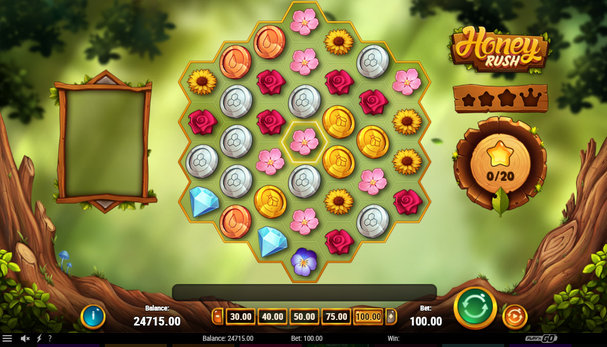
game image 1
Honey Rush

Top casinos for playing Honey Rush — current list

ALF Casino
ALF Casino
Mafia Casino
Mafia Casino
LeoVegas
LeoVegas
Honey Rush Betway
SG Casino
Honey Rush Betano
Retro Bet
Honey Rush

How to Test Honey Rush Without Pressure

If you play "on trial," it's easy to fall into a trap: treating the test as a hunt for a result. Imagine the situation: you hit a better streak and instinctively want "just a little longer," even though it was only supposed to be a preview. That's why it's worth deciding in advance what you're checking and when you're finishing.

The simplest way is to start with the basics: recognize the symbols, check the payout description, and see how the game communicates events on the screen (this is more important than it seems). Then, pay attention to readability: can you see the stake at a glance, is it easy to confuse the tempo, are the buttons not too close together on a small screen? In 2026, many people play on mobile, so ergonomics is a real element of safety.

A good test is also observing your own reactions. Ask yourself during the game: are you clicking consciously, or are you starting to play automatically? If you feel like you're "flowing" with the tempo, it's a signal to turn on break reminders or limit the series of rounds. In practice, it works like a seatbelt – it doesn't bother you until it's needed.

And one more thing: don't mix goals. Learning mechanics is one thing, and playing for real money is another. When you separate these two stages, it's easier to keep a cool head and not make decisions under the influence of emotions.

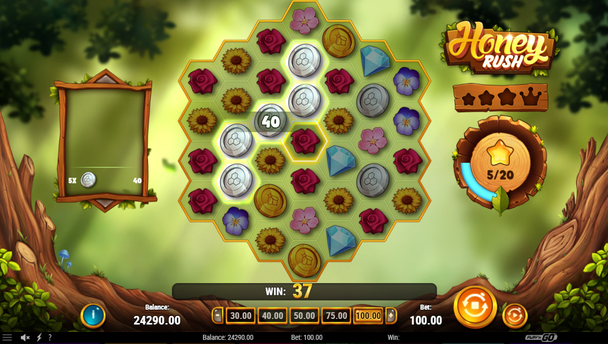
game image 2
Honey Rush

From First Rounds To Conscious Session

Imagine you start calmly, then suddenly speed up because you want to "make up for" a few empty rounds. Players usually don't notice the moment when control shifts from plan to impulse. That's why it's better to build a simple session scheme before you even think about playing longer.

The basis is a three-sentence plan: how long you play, how much you spend at most, and when you take a break. It sounds dry, but it works because it cuts off the worst habit – making decisions "on the fly." In Honey Rush, it's also worth setting up comfort right away: the pace of rounds, the animation level, and whether you use auto-spin (if available). The fewer random clicks, the better the control.

It's good to adopt the rule: no stake changes without reason. If you want to test different settings, do it in separate, short blocks, not in the middle of an emotional series. This is a small difference that in practice protects your budget and your head.

How To Set Your Stake And Budget To Start

Imagine you plan a fifteen-minute game, but you choose a stake so that your budget melts away in a few minutes – and you immediately feel the pressure. Usually, then comes the desire to "make up for it," and that's the simplest path to nerves. It's better to start with a session budget, and only then adjust the stake to the number of rounds you'll actually play.

A practical way: determine how many rounds you want to play in one block, and calculate if the budget will hold up even if the series is weaker. This is not pessimism, but planning. Then stick to that stake for the entire block – without increasing it "because now I feel it's going to hit." If you want to change the setting, do it only after a break, when the decision is calm.

It's also worth remembering a simple brake: the time limit. When you have a set framework, it's easier to end a session without negotiating with yourself. In 2026, this is a standard tool for responsible gaming, used not only by beginners.

Round Pace, Autoplay, and Breaks

Imagine you turn on fast rounds and suddenly time disappears – decisions become mechanical, and you only realize it after a while. This is usually how fast-paced play works: it's convenient, but it can take away your mindfulness. That's why breaks are not an "option," but an element of the plan.

If you use automatic rounds, set them to end after a specific number of spins, not "indefinitely." The best setup is short series and a break, even a one-minute one. During the break, do one thing: check if you're still playing according to your plan or if the urge to chase has appeared.

It's worth adjusting the pace to your mood. Fast rounds work better in short blocks when you have full control over your time. A slower pace can be more effective when you want to consciously observe the mechanics and not operate on autopilot.

Checklist Before Your First Longer Session

Before you dive into a longer gaming session, do a quick review: set a time limit, check your spending limit, choose the pace of rounds, and make sure you know where the activity history is. Imagine that halfway through the session you want to find the break settings, but you don't remember where – that's when frustration easily sets in. When you have this sorted out beforehand, the session is calmer and more predictable.

Signs It's Time to Take a Break

There are simple warning signs: you start clicking faster for no reason, small things irritate you, or you catch yourself thinking, "just one more round and then I'm done." Imagine you intended to play for a short time, but you start negotiating with yourself – that's a classic moment for a break. Stop the game, put your phone away, and only return when the decision to continue playing is calm.

Honey Rush

Account in Honey Rush: Registration and Payments

Imagine you want to play in the evening, and just then a request for data confirmation pops up – instead of entertainment, you get angry because “it was supposed to be quick.” Usually, it's not a technical problem, but a lack of preparation. It's better to do the basics beforehand, in a calm moment.

First, the profile: data should be consistent and up-to-date, as this facilitates subsequent financial operations and contact with support. Next, security settings: a strong password and additional login confirmations, if available. In 2026, this is normal hygiene, especially when using a phone. And finally, payments: choose a method you understand and check the restrictions – minimum and maximum amounts and any daily limits.

The platform is available in Poland and operates in accordance with current requirements for adults, so in practice, your side also matters: play only with funds intended for entertainment and use limits before emotions arise.

Area

What to Check Before Use

How the Process Usually Works

A Simple Tip for Peace of Mind

Deposit Method

Owner data consistency

May Require Additional Confirmation

Make a small test deposit before a longer session

Withdrawal method

Is it assigned to the player

Time depends on verification and method

Keep one main method, without mixing

Account limits

Time and spending limits

Activate after setting in profile

Set session framework in advance

Contact support

How to describe the problem

It's best to describe step by step what happened

Note the time and message, if it appeared

Registration and Profile Settings

Imagine you're setting up an account in a hurry, and in the morning you just want to play quickly – and suddenly it turns out you haven't confirmed contact or skipped important settings. Usually, that's when the nervous clicking starts. It's better to go through the process like a checklist: fill in the data, confirm the contact channel, and then check your profile settings.

After registration, immediately find responsible gaming tools: time limits, spending limits, breaks, self-exclusion. Set them when you are calm, not when you are “already playing.” Also, take care of login security – it's a simple thing that protects your account from accidental problems.

Deposits: Methods, Limits, and Order

Imagine a situation: you want to top up your balance, but the method requires additional confirmation and suddenly everything drags on. This usually results from bank limits or security settings, not a “failure.” Therefore, before your first deposit, it's worth checking if your transaction limits are set as you want them.

In practice, it's best to stick to one main method. Mixing several solutions often complicates the transaction history and makes subsequent withdrawals more difficult. A good habit is also planning: you deposit funds intended for entertainment, set a session limit, and only then start. When you have a framework, you don't have to make financial decisions during an emotional game.

Withdrawals and Verification: How to Avoid Nerves

Imagine you want to withdraw funds and suddenly one verification element is missing – and you're already hyped up by the result. Usually, this is when people make mistakes: they submit several requests, change the method, enter data quickly. It's better to approach withdrawals calmly and consistently.

The most common problems are data discrepancies (typo, outdated address) and an attempt to withdraw using a method that doesn't match the profile. It's also worth remembering that the process can be phased – it depends on the method and whether the account is verified. The simplest rule: one instruction, clear data, and if in doubt, contact support with a specific description of the steps you have taken.
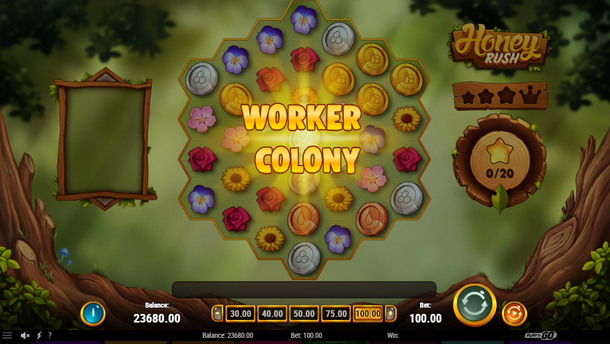
game image 3

Honey Rush Casino Bonus Codes Activation Process

Honey Rush Casino Bonus Codes Conditions

Game Strategy: Control, Not Chase

Imagine hitting a winning streak and feeling your adrenaline rise – suddenly you want to play faster and longer because “it’s going well.” Usually, at that point, the session plan ceases to exist. The strategy is not to take away the fun, but to maintain control when emotions run high.

The best approach is short blocks and breaks. One block has its budget and time, after which you finish and reset. If you want to return, you only do so after a break, not immediately. This structure limits impulses while still allowing you to enjoy the game.

In Honey Rush, it's also worth sticking to the “no guesswork” rule. Read the messages on the screen, check the settings, don't change several things at once. Then you know why something works one way and not another, and you don't build frustration on your own assumptions.

Time Plan: Short Blocks Instead of a Marathon

Imagine telling yourself “just for a moment,” and then realizing that much more time has passed than you planned. This usually happens when there's no natural end. That's why time blocking works better than relying on willpower.

Set a framework: for example, two short blocks of a few minutes each, separated by a break. During the break, do something physical: stand up, drink water, put away the device. This sounds trivial, but a break changes the emotional state, and that is crucial for control. If you still want to play after the break, the decision is usually calmer.

Changing Stakes Without Emotional Jumps

Imagine that after a series of empty rounds, the thought appears: “I’ll raise the stakes, otherwise it makes no sense.” Usually, it’s an impulse, not a plan. Changing the stake only makes sense when it results from budget and time, not from a desire to recoup losses.

A good method is to set the stakes at the start and keep them until the end of the block. If you want to experiment, do it in a separate block, with a pre-defined time and budget. Then you test consciously, and not “chase.” This is a small difference in approach that often separates calm entertainment from nervous clicking.

Responsible Gaming Tools: Limits and Timeout

Imagine feeling tired, but still clicking on because “it’s a shame to stop now”. Usually, this is when a pre-set limit comes in handy. Time limits, spending limits, breaks, and the ability to temporarily block access are tools designed to work when your decision-making becomes less rational.

It's best to set them calmly: before your first longer session. Treat them as safety settings, not as a punishment. If you know you have a tendency for long sessions, set a shorter time and more frequent reminders. If you tend to play impulsively, set a spending limit. It's a simple mechanism that allows you to play maturely.

Help and Troubleshooting Without Chaos

Imagine something isn't working: the game loads slowly or an incomprehensible message appears. Usually, the first reaction is nervous clicking and trying to “force it”. It's better to do the opposite: stop, check the connection, refresh, and only then go back.

If the problem concerns financial operations, the rule is simple: do not make many attempts at once. One attempt, check the history, and if it's still unclear – contact support with a specific description: what you clicked, what you saw, and at what time. Specifics shorten the path to a solution, and this automatically reduces stress.

Tips for 2026: Mobile and Calm

Imagine you're playing on the go, holding your phone with one hand and scrolling the screen with the other – and suddenly you accidentally change a setting. Usually, it's not “bad luck”, but ergonomics and haste. In 2026, mobile gaming is the norm, so it's worth taking care of the comfort and security of your clicks.

First, the settings: round pace adapted to the situation, clear layout, distractions turned off if they bother you. Then, time control: a break reminder or an external timer. And finally, account hygiene: login security and order in payment methods. These are small things that make a big difference because they protect against impulse and chance.

Honey Rush in Poland can be a convenient entertainment for adults if you approach it as a process: plan, limits, breaks, and not an endless series of clicks. When you have a framework, it's easier to enjoy yourself without feeling like the game has taken control.

How to Maintain Comfort on Phone and PC

Imagine that everything is readable on the computer, but on the phone, the buttons are closer together and you play faster than you want. Usually, the difference comes from pace and habits, not from the game itself. That's why on the phone, it's worth playing in shorter blocks, at a slower pace, and taking breaks more often.

On PC, ensure peace of mind: close distractions, set a time limit, don't leave the game in the background “for a moment”. On the phone, monitor battery and a stable connection – technical breaks can increase stress, and stress increases impulses. If you feel you're starting to play automatically, go back to basics: break, summary, decision. It's simple, but effective.

FAQ

How to start without stress and not click blindly?

It's best to start with a short test session with a specific goal: find settings, check the pace, and see how winnings are displayed. Imagine you only have a few minutes – then it's easy to fall into “just faster”, and later you don't remember what you checked. Do two short blocks of rounds separated by a break, and after each block, answer one question: are you still playing according to the plan, or are you just reacting to an impulse?

How to set time limits so the session doesn't get out of hand?

The simplest way is to set a framework in advance: a specific time for the game and a mandatory break, regardless of the outcome. Imagine you're having a good moment and “it's a shame to stop” – then the limit acts like a brake that stops you before you enter a marathon. A good practice is also an external timer, because a reminder outside the game can be more resolute than your own promises. If you still want to play after the break, only return when the decision is calm.

What to do when I feel like raising the stakes after a series of empty rounds?

This is a common impulse, because the brain tries to “catch up” and quickly close the matter. Imagine you're raising the stakes just because you're irritated – usually such a decision has nothing to do with the session plan. It's better to keep the stake constant in one block and leave any change for the next block after a break, when emotions have subsided. If you want to experiment, do it consciously: set a separate budget and time just for the test.

How to avoid chaos when depositing and withdrawing funds?

Most often, chaos starts with mixing methods and making several attempts at once. Imagine you're submitting more than one instruction because “the first one doesn't work” – then it's hard to assess what's current, and stress increases. Stick to one main method, ensure consistent data in your profile, and act step by step: one operation, history check, only then the next move. If something is unclear, describe the problem specifically, instead of acting blindly.

How to recognize when emotions take control over decisions?

The signs are surprisingly simple: you start playing faster for no reason, small things irritate you, or the thought “just one more round and then I'm done” appears. Imagine catching yourself negotiating with yourself – that's usually a sign that the session plan is no longer working. In that case, the best move is a break: put the device away, a few minutes of reset, and only then decide whether to return. The faster you break the impulse spiral, the easier it is to stay calm.

Is it possible to play on mobile without accidental clicks?

Yes, but it requires settings and rhythm. Imagine you're on public transport, holding your phone with one hand, and suddenly you touch the wrong spot – on a small screen, that's a real risk. Slower round pacing, shorter blocks, and more frequent pauses help, as do settings that limit automatic actions. If you feel like you're losing control on the go, it's better to move the session to a calmer moment or to a computer.

What to do when errors appear or the game runs slowly?

First, stop the session and check the basics: connection, device load, browser or app updates. Imagine trying to “click through” delays – it usually ends in frustration and hasty decisions. It's better to refresh, return only when stable, and not perform several operations at once. If the problem concerns the account or transactions, act calmly: check the activity history, note the time and message, and then contact support with a specific description of the steps.

Play Now
🇬🇧 English